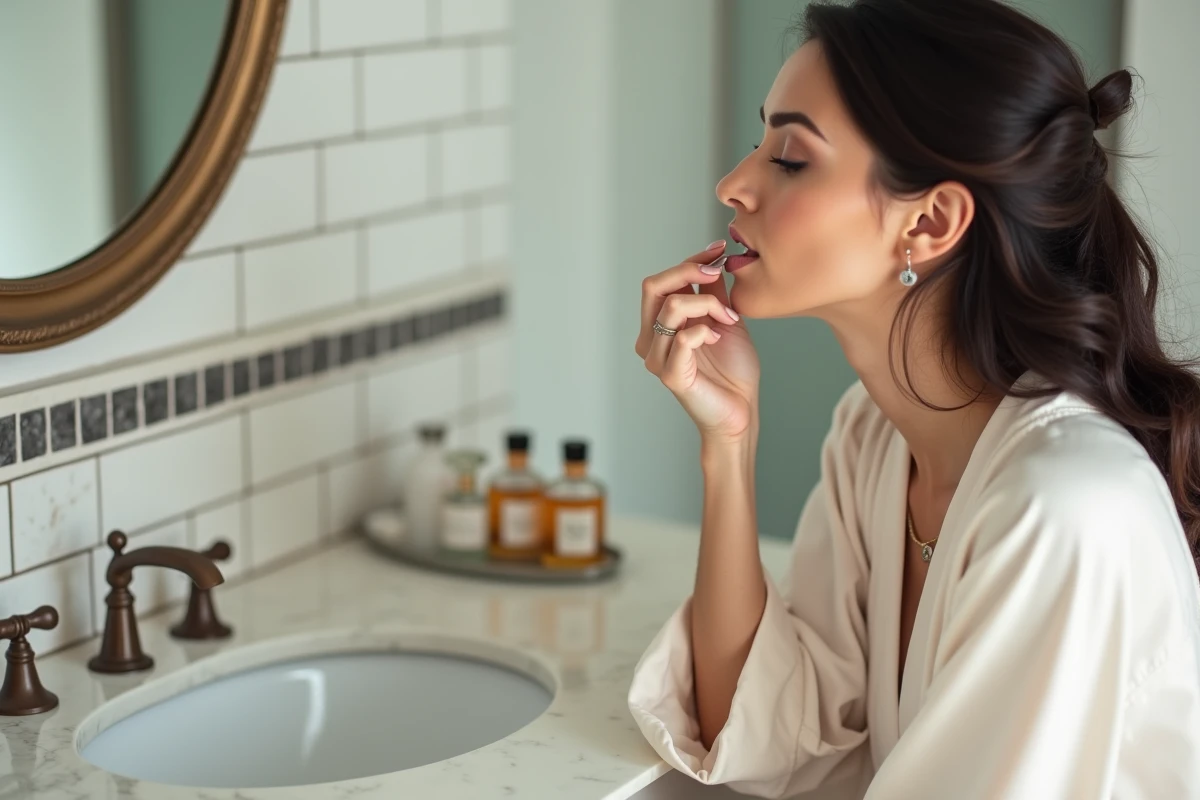
The beauty market in France is undergoing a rapid restructuring. Multi-step routines are declining, European regulations are tightening the rules around cosmetic claims, and hybrid remote work is changing makeup expectations. These three factors are reshaping relevant beauty advice for everyday life.
Screen-appropriate makeup: a blind spot in classic beauty advice
Most beauty guides discuss everyday looks or skincare routines without ever addressing a constraint that has become commonplace: the appearance in video conferencing. The frontal light from a screen flattens facial contours, accentuates shiny areas, and alters color perception.
A foundation that is too heavy appears artificial on camera. Matte textures absorb light instead of reflecting it, resulting in a flat complexion. In contrast, a lightweight tinted moisturizer, with a touch of highlighter on the cheekbones, restores dimension without overloading the face.
For eyebrows, the trend is for a clean but subtle shape. A fine-tipped pencil, applied in the direction of hair growth, is enough to structure the look without the “drawn” effect that the camera amplifies. For lashes, a single coat of dark brown mascara provides more definition than a volumizing black mascara, which can create shadows under the eyes in direct light.
This instinct to adapt makeup to screen lighting remains underexplored in current beauty content, even though it concerns an increasing portion of the working population. Several resources compile advice tailored to these new constraints, such as the Babioles Beauté website which addresses the topic of everyday looks from various angles.
Facial care: why short routines are replacing layering
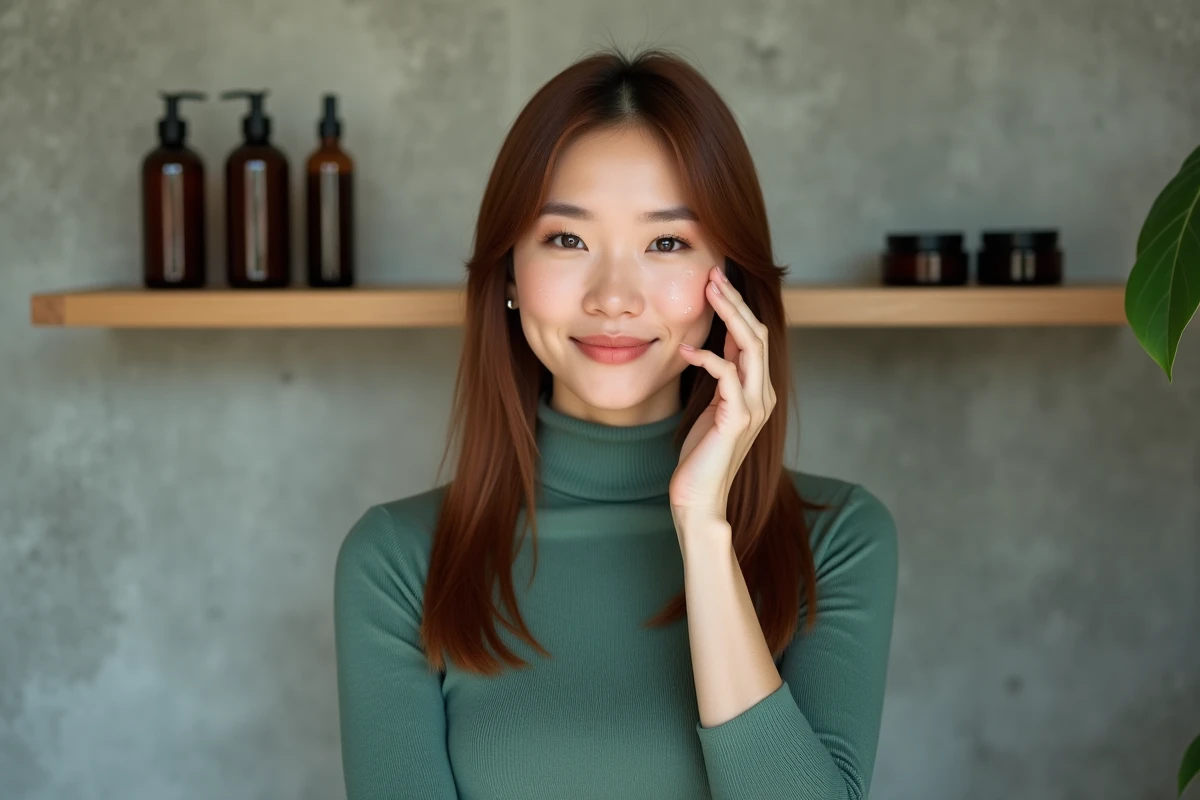
Ten-step routines inspired by K-beauty have marked the last decade. Their decline is now documented by several French beauty media. Sensitive or reactive skin, which represents a notable proportion of consumers, struggles with the layering of serums, essences, and creams.
Two to three targeted products now replace seven or eight layers. A gentle cleanser, a hydrating treatment suitable for the skin type, and sun protection cover the basic needs. The rest is about occasional adjustments: a vitamin C serum as a treatment, a weekly hydrating mask.
This simplification does not mean a reduction in standards. Consumers are reading INCI lists more carefully and seeking ingredient traceability rather than the absence of a component. “Clean beauty” is evolving: it is no longer just about “paraben-free” or “silicone-free” products, but about understanding where the active ingredients come from and how they are dosed.
Oily skin, dry skin: the mistake of a universal protocol
Beauty advice that does not distinguish between skin types loses relevance. Oily skin struggles with rich textures that clog pores. Dry skin reacts to foaming cleansers that strip the hydrolipidic film.
- Oily skin: favor a soap-free cleansing gel, a lightweight hydrating serum based on hyaluronic acid, and a mattifying treatment localized on the T-zone
- Dry skin: opt for a cleansing milk or oil, a cream rich in ceramides, and a thermal water spray during the day for rehydration
- Combination skin: treat areas separately, with a lightweight treatment on the cheeks and a sebum-regulating product on the forehead and nose
Adapting care to the area of the face yields better results than applying the same protocol everywhere. This simple principle, however, remains underutilized.
Anti-wrinkle and anti-blemish claims: what the regulations change
European regulations on cosmetics are gradually tightening. The European Commission, through the work related to the Green Claims Directive, is pushing brands to justify their promises. Terms like “anti-aging,” “fills wrinkles,” or “lifting effect” can no longer be used without supporting data.
Cosmetic promises must be backed by verifiable evidence. For consumers, this means that products making specific claims will gradually become more reliable, or removed from the market if they cannot prove their effectiveness.
This regulatory framework has a direct consequence on beauty advice: recommending a “miracle anti-wrinkle product” without verifying its claims risks spreading unfounded marketing. It is better to focus on actives with documented effects (retinol, niacinamide, glycolic acid) and ensure that the product displays a sufficient concentration.
Hair and overall look: the gestures that make a difference in daily life
Hair care follows the same logic of simplification as facial care. Daily shampoos are giving way to spaced washes, which preserve the natural sebum of the scalp.
A shampoo every two to three days suits most hair types. Between washes, a dry shampoo applied to the roots absorbs excess sebum without dehydrating the lengths. For curly or frizzy hair, a co-wash (conditioner wash) maintains hydration while gently cleansing.
Eyebrows and gaze: structuring without overloading
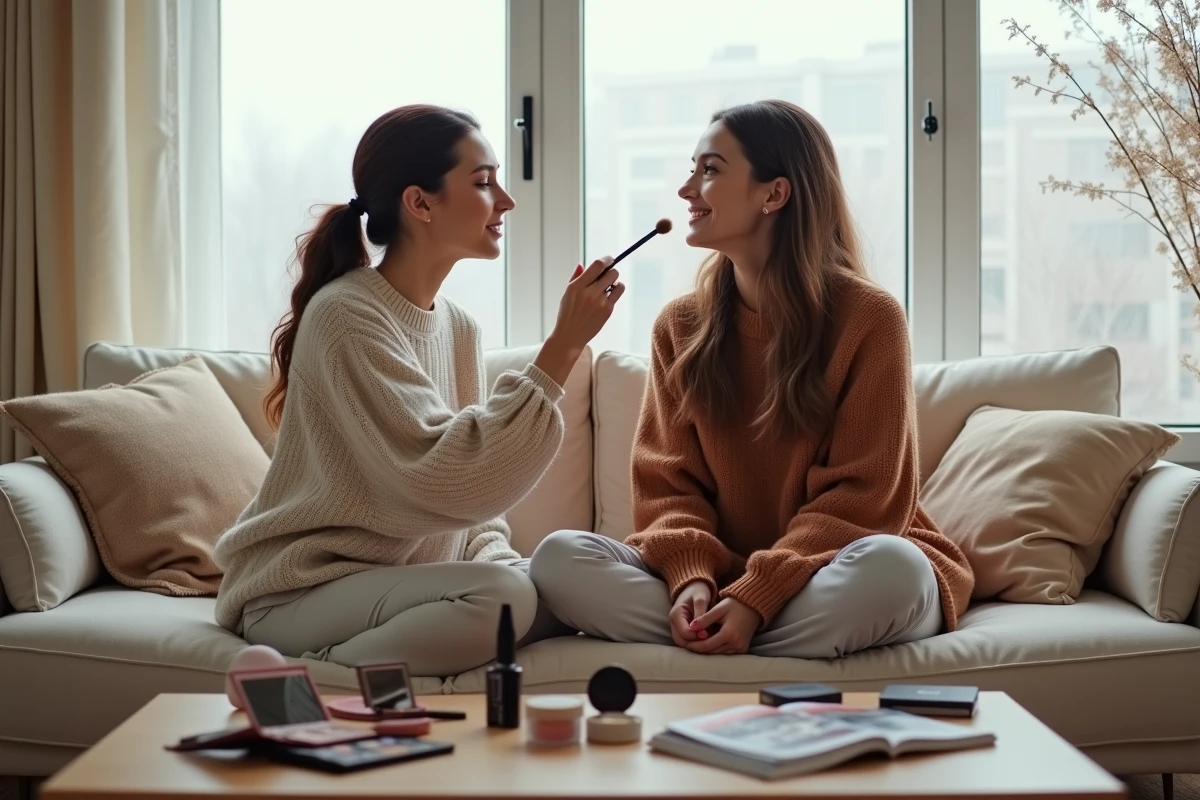
Eyebrows remain a central element of the look. The current trend favors brushed-up brows, set with clear gel, rather than a heavily drawn shape. This style gives a “youthful” effect without visible artifice.
- A clear setting gel to tame eyebrows without adding color
- A fine pencil to fill in sparse areas, only where necessary
- An eyelash curler used before mascara, which opens the gaze more effectively than an extra layer of product
The gaze is enhanced by structure (eyebrows, natural lashes) rather than by accumulating products. Fewer layers, more precision in the gesture: this is the guiding principle of current trends in both makeup and skincare.
The available data does not yet allow for measuring the real impact of these new habits on long-term skin health. What emerges from field feedback is that simplifying routines reduces irritations and skin reactions, without compromising visible results. The rest depends on skin type, lifestyle, and the consistency of adopted gestures.