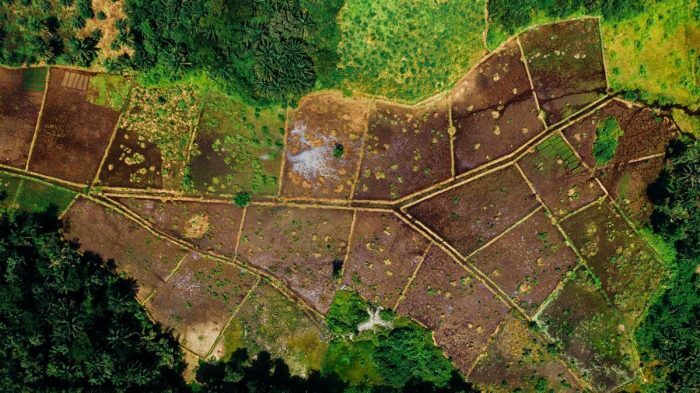
The land domain is a vast and complex territory, filled with nuances that require a deep understanding. It ranges from simple ownership of real estate to broader political and economic issues. For those looking to navigate this labyrinth, it is crucial to understand the fundamentals of land information. This encompasses many aspects, such as property rights, land registers, transactions, and much more. By understanding these concepts, one can equip themselves with the necessary tools to approach this field with confidence and precision.
The foundations of land information: understanding the basics
The basics of land information are essential for understanding the contours and stakes of the land domain. One of the key components is the specific geospatial data, which encompasses all geographical data related to real estate. This data includes the precise location of a property, its legal and regulatory limitations, as well as its cadastral value.
To access this crucial information, there are various reliable sources of land information. Land registers are among the essential resources for obtaining information about the ownership of a plot of land or a building. They provide a detailed overview of the transaction history, property rights, and any potential encumbrances on the property.
It is important to emphasize that land information is not limited to technical and administrative aspects. Legal aspects also play a crucial role in this complex field. Legislation regarding real estate ownership varies by country and can directly influence how properties can be used or transferred.
The appropriate use of land information presents several undeniable advantages. It allows for clarification of the legal status of a property before a potential transaction or acquisition. It facilitates accurate assessment of a property’s market value by taking into account all relevant factors such as its strategic location or future potential.
Despite its many advantages, it is important to highlight the limitations of land information. Data can sometimes be incomplete, outdated, or subject to human error. Therefore, thorough analysis and rigorous verification are necessary to ensure that the information obtained is accurate and reliable.
Understanding the fundamentals of land information is essential for navigating this complex field with confidence and precision. By grasping the basics as well as reliable information sources and considering the legal aspects related to this crucial information, one can take advantage of its use while keeping in mind its potential limitations.
Reliability of land sources: where to find reliable information
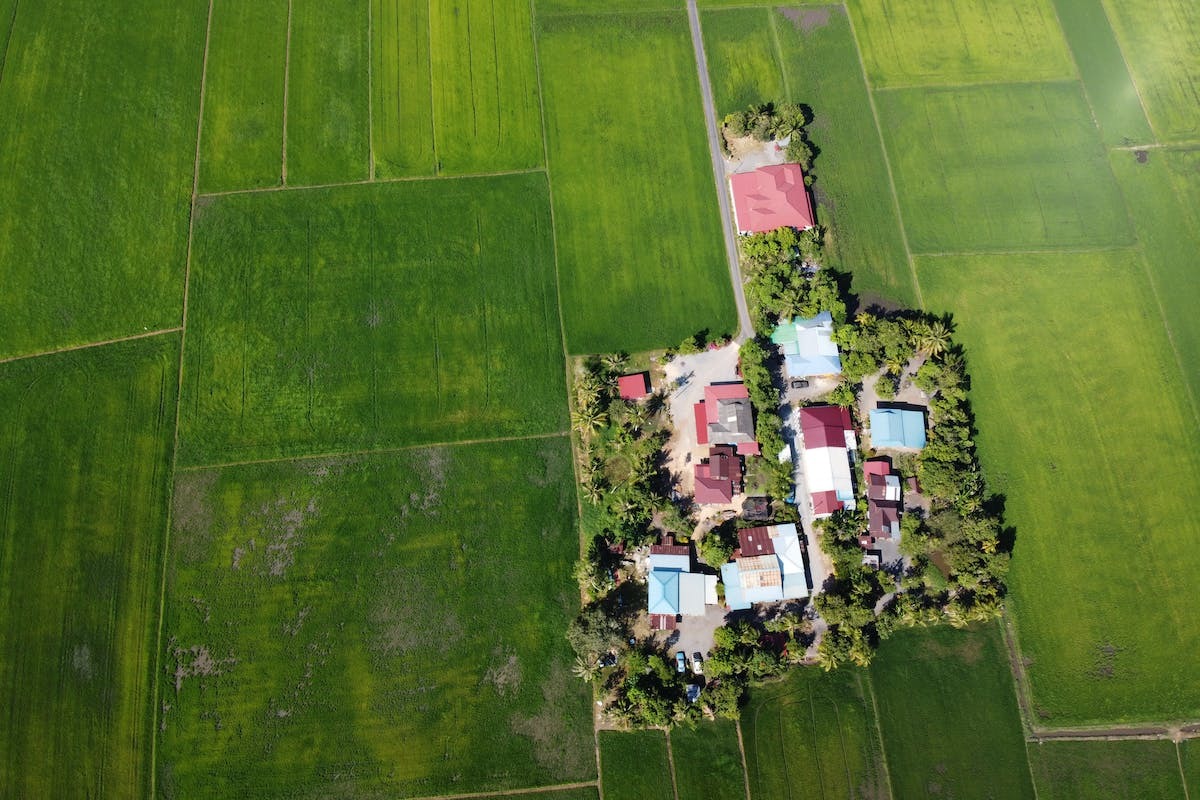
In the field of land information, the reliability of sources is paramount. There are several specialized organizations that provide accurate and up-to-date data on land. Among these sources are the cadastre services, land surveyors, and notaries.
The cadastre is a public organization responsible for cataloging and registering all parcels of land within a given territory. It issues cadastral maps and files containing various information such as the area of a parcel, its owner, or its topographical boundaries.
Land surveyors also play a vital role in collecting and analyzing land information. Their expertise in topographical measurements allows them to accurately establish the exact location of a property. They can also conduct in-depth studies to identify any easements or constraints affecting a property.
As for notaries, they are often called upon during real estate transactions such as public auctions or transactions between individuals. These legal professionals have privileged access to certain sources of land information and can provide reliable information about the legal status of a property.
In addition to these specialized organizations, it is important to note that all these sources are interconnected, and it may be necessary to cross-check information from different files to obtain a comprehensive and accurate view of the land. Therefore, it is recommended to verify the consistency between different sources and to consider the specific context of a given real estate transaction.
Having a reliable source of land information is essential in the real estate field. The resources offered by the cadastre, land surveyors, notaries, and organizations will enable you to make informed decisions regarding real estate.
Land information and legal aspects: legal implications
In the field of land information, the question of legal aspects plays a crucial role. Indeed, you must take into account the various elements that can impact the legality of a real estate transaction.
One of the essential points to consider when it comes to land information is the legal status of the property. You must ensure that it is in order and that it is not subject to disputes or litigation. To do this, you should consult specialized actors such as notaries or lawyers who can perform thorough checks.
In some cases, a parcel may be subject to certain legal easements such as the right of way or the right of access to a natural resource. It is therefore essential to be informed about these potential constraints before making any decisions regarding a plot of land.
When considering the acquisition of a property, you must check whether it is encumbered by a mortgage or any other type of financial charge. This information will help avoid any risks related to debts incurred by the previous owner.
You should pay attention to the specific regulations in force in your region or country regarding land use and real estate construction. These regulations can vary based on various factors such as the geographical area where your property is located and its intended use (residential, commercial, etc.). Consulting with competent authorities and reviewing urban planning documents is essential to comply with current legislation.
Land information is not just about technical data. The legal aspects must also be rigorously considered to avoid any future problems or potential disputes. Engaging legal professionals and staying informed about local regulations will allow you to conduct your real estate transactions safely.
Advantages and limitations of land information: what you need to know
Let us continue our exploration of the fundamentals of land information by examining the advantages and limitations it presents.
One of the main advantages of having reliable land information is the ability to accurately assess the value of a property. By accessing detailed data about the land, its physical characteristics, and its environment, it becomes easier to determine its fair market value. This information is crucial for both potential buyers and owners looking to sell their property.
Another major advantage lies in the ability to foresee and anticipate certain risks related to a plot of land or real estate property. For example, thanks to land information, it is possible to take into account proximity to a flood-prone or seismic zone, which will allow investors or potential buyers to evaluate the risks involved and plan accordingly.
Despite these many advantages, some limitations must also be considered when it comes to land information. It is important to emphasize that this information can sometimes lack reliability or be incomplete. Sources may vary in terms of quality and accuracy depending on the region or country in question and the available public records.
Even with complete and accurate information about a given plot, this does not necessarily guarantee absolute success in a real estate transaction. Other factors such as the state of the local real estate market or competition can significantly impact the final price or accessibility of a property.
It is crucial to take these limitations into account and not to rely solely on land information. Consider consulting professionals such as real estate agents, notaries, or specialized lawyers before making any decisions or engaging in a transaction.
Land information plays an essential role in making informed decisions regarding real estate. It offers undeniable advantages such as the ability to accurately assess a property’s value and anticipate potential risks. However, it is important to remain aware of its limitations and to rely on other sources of expertise to ensure success in real estate transactions.