In a context where environmental preservation and reducing energy bills have become major concerns, the low-energy house (BBC) stands out as an innovative solution. Designed to minimize energy consumption while ensuring optimal comfort, it fits within a precise regulatory framework and offers numerous economic and ecological advantages.
Definition and principles
Characteristics of a low-energy house
The low-energy house is defined by exemplary energy efficiency. It is based on three fundamental principles: high-performance thermal insulation, an optimized heating and ventilation system, and the use of renewable energies.
Insulation and airtightness
Effective thermal insulation is crucial for minimizing heat loss and ensuring optimal indoor comfort. Quality insulating materials, such as fiberglass or extruded polystyrene, play a key role. Airtightness is also essential to limit cold air infiltration.
Heating and ventilation
To optimize energy consumption, low-energy houses favor modern and efficient heating systems, such as heat pumps or solar heating. Controlled mechanical ventilation ensures good indoor air quality while limiting thermal losses.
Use of renewable energies
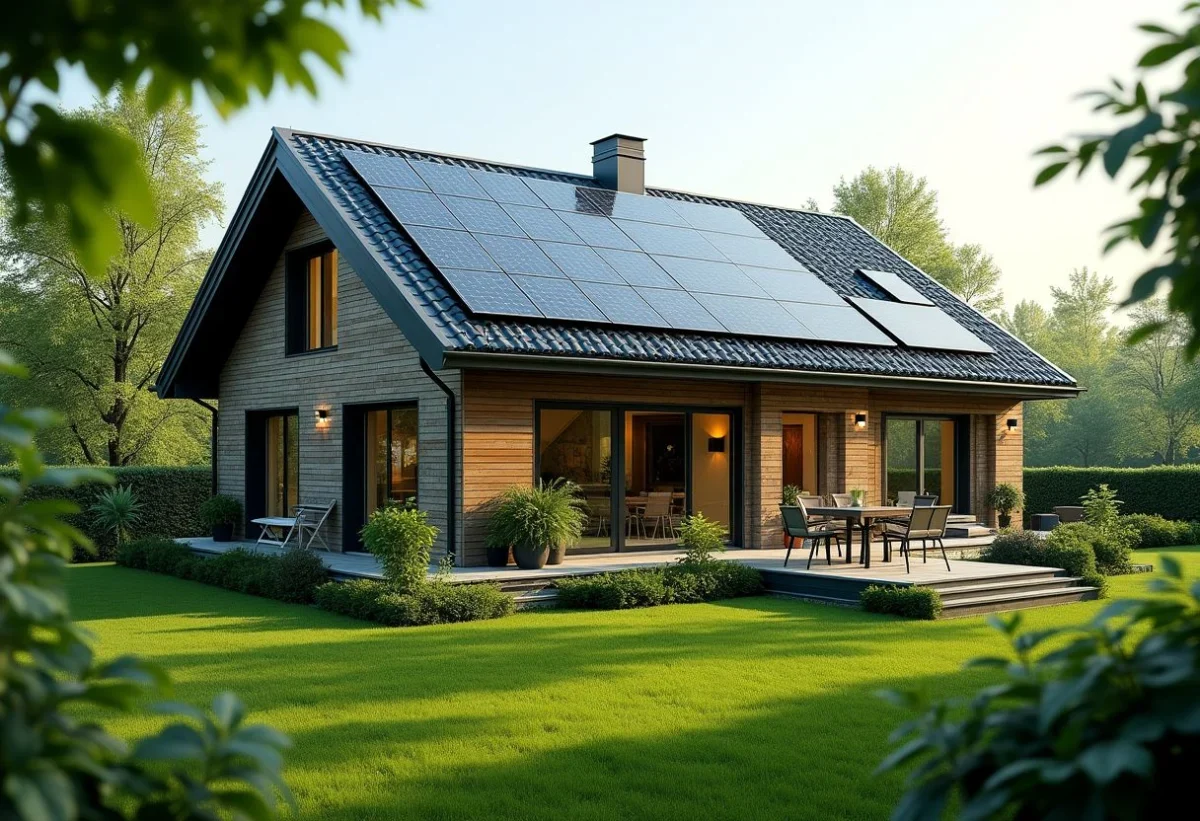
The integration of renewable energies, such as photovoltaic solar panels, allows for the production of clean energy. These installations help reduce primary energy consumption and greenhouse gas emissions.
The BBC label and its criteria
Key concepts of the BBC label
The BBC label (Low Energy Building) is awarded to housing that meets strict criteria regarding energy consumption. The maximum threshold for primary energy consumption is set at 50 kWh/m²/year, although this figure may vary by region.
Energy consumption requirements
BBC houses must be designed to minimize energy consumption. This involves a prior energy audit and an energy performance diagnosis, which help identify necessary improvements.
Houses must also comply with current thermal regulations, such as RT 2012 or the new RE 2020, which aim to improve the energy efficiency of buildings.
The advantages of a low-energy house
Energy savings and reduced bills
Living in a low-energy house allows for substantial savings on energy bills. Thanks to effective thermal insulation, reduced water consumption, and the use of efficient heating systems, BBC houses consume up to 60% less heating and 50% less hot water than traditional houses.
Effects on energy consumption
By integrating solutions such as photovoltaics, BBC houses reduce their dependence on non-renewable energy sources. Solar panels contribute to producing electricity for heating and domestic hot water, which decreases primary energy consumption.
Environmental benefits
Low-energy houses play a crucial role in reducing greenhouse gas emissions. Their eco-friendly design and the use of clean energies promote a positive energy balance. This also contributes to cleaner energy production that respects the environment.
BBC construction and renovation
Steps to obtain the BBC label
Obtaining the BBC label requires following a rigorous process, including an energy audit and an energy performance diagnosis. These steps assess the thermal efficiency of the building and determine the necessary work to achieve low energy consumption.
Work to be done to achieve low energy consumption
Proposed work may include insulating walls, floors, and attics, installing efficient heating systems such as geothermal heat pumps, and optimizing controlled mechanical ventilation.
BBC houses, thanks to their low energy consumption and numerous environmental and economic benefits, represent a significant advancement in the field of sustainable housing. Additional information is available for those who wish to delve deeper into this topic. For more information on low-energy houses, feel free to consult specialized resources.