
Bernard Kouchner, former minister and co-founder of Doctors Without Borders, is the subject of numerous searches linking his name to the word “cancer” in 2026. What do we really know about his health situation? The answer can be summed up in one sentence: no reliable public source documents a diagnosis or ongoing treatment. This observation, far from closing the subject, opens a reflection on how public discourse addresses the illness of political figures.
Absence of verifiable medical source in 2026
The searches linking Bernard Kouchner to cancer refer to old or generic content. The Wikipedia biography of the doctor and politician does not mention any oncological diagnosis. The online press archives, including those from TF1 Info or Le Point, do not contain any health interviews or medical statements attributed to Kouchner or his entourage.
An article, originally published to document Bernard Kouchner’s fight against cancer, illustrates this documentary deadlock well. The available results focus on his public career, on past political statements, or on prostate cancer screening, a topic he addressed as the delegated minister for health.
Neither recent statements, nor health interviews, nor medical press releases support the idea of a personal battle against illness in 2026. This lack of verifiable data deserves attention.
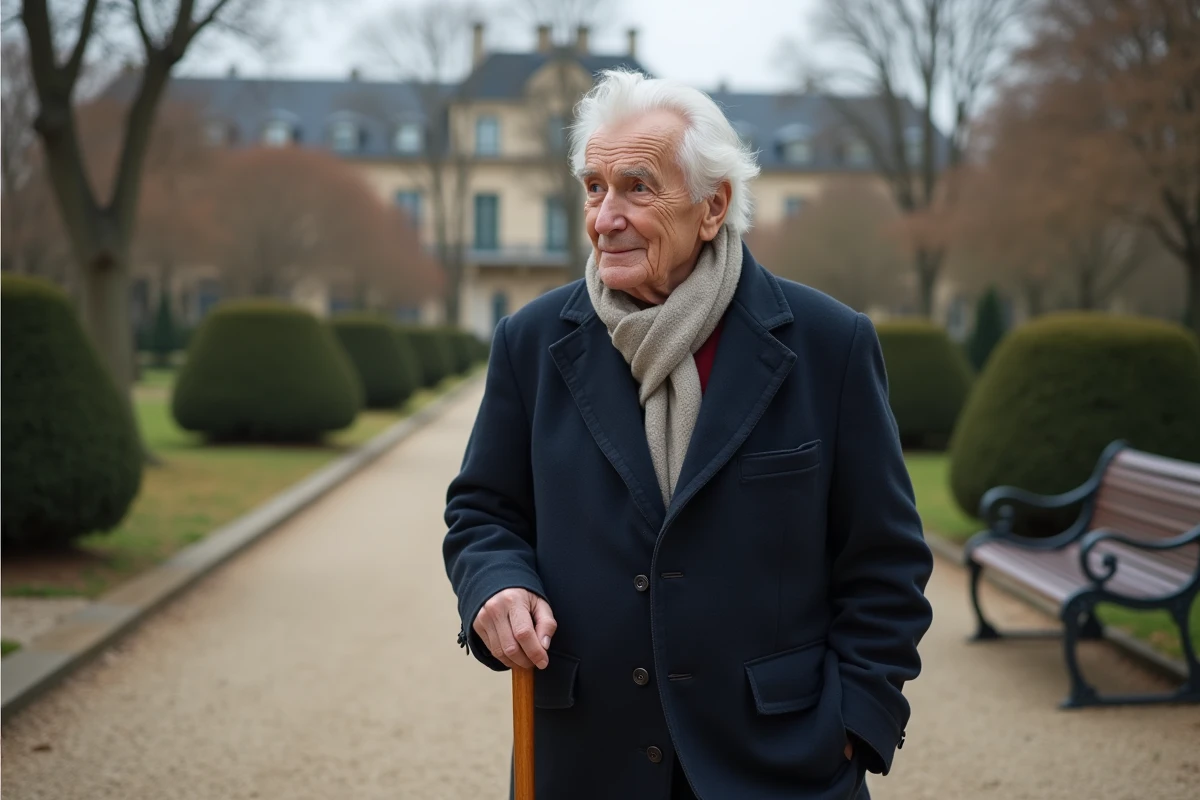
Kouchner as health minister and cancer: what the archives say
The link between Bernard Kouchner and cancer in search results is explained by his political career, not by his medical biography. As the delegated minister for health, he took a stand on widespread prostate cancer screening and participated in laying the foundation stone of a building at the Gustave-Roussy Institute, the leading European cancer research center.
These statements, archived on institutional sites like Vie-publique.fr or APM News, feed the results when a user types “Bernard Kouchner cancer.” The problem is: old political statements are recycled as evidence of a personal connection to the disease.
| Type of content found online | Relation to a personal diagnosis |
|---|---|
| Wikipedia biography (political and humanitarian career) | None |
| Speech on the cancer plan (Villejuif, 2001) | None (ministerial role) |
| Reflection on prostate cancer screening (APM News) | None (public health policy) |
| General news pages (TF1 Info, Le Point) | No targeted health content identified |
This table summarizes the gap between what internet users are searching for and what the available sources actually document.
Public discourse on the illness of personalities: the exposed limits
The massive interest in Bernard Kouchner’s health reveals a broader mechanism. When a public figure ages, search queries linking their name to “illness” or “cancer” multiply, regardless of any factual information. This phenomenon creates a loop: articles written to respond to search demand become the only “source” cited by subsequent articles.
Several elements make this mechanism problematic:
- The right to medical privacy is not suspended by fame. No legal obligation compels a public figure to disclose their health status, even in France where political transparency is regularly debated.
- The absence of a denial does not equate to confirmation. A media silence on a health issue may simply mean there is nothing to say, not that something is being hidden.
- Web content that “responds” to the query without primary sources contributes to perpetuating an unfounded rumor, a phenomenon made particularly paradoxical by Kouchner’s background as a doctor and humanitarian.

The Kouchner case compared to other political figures
Other French political figures have faced similar speculations about their health. The notable difference with Kouchner’s case lies in his dual status: a former doctor engaged in public health and a former minister who has implemented cancer plans. This dual role fuels the semantic association between his name and the disease in search engines, even in the absence of any personal information.
Kouchner’s humanitarian background, co-founder of Doctors Without Borders and then Doctors of the World, reinforces this confusion. His public life is inseparable from medical vocabulary: patients, care, patients’ rights, humanitarian action. Search algorithms treat these lexical co-occurrences as relevance signals.
Health of Bernard Kouchner: what a reader can reasonably retain
Based on the publicly accessible information as of June 2026, there is nothing to suggest that Bernard Kouchner has cancer or that he is undergoing oncological treatment. The online content linking his name to this disease either refers to his past political actions in public health or to articles constructed around a popular search query without primary sources.
The question “where is he in his fight?” presupposes a battle that is not documented anywhere. The absence of recent sources is itself the most significant information that this examination of available data can produce.