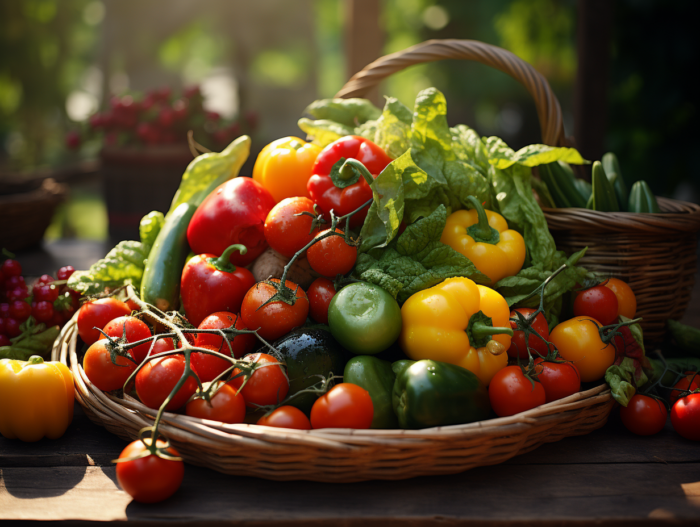
Adopting a vegetarian diet can sometimes seem complex, especially when it comes to ensuring complete nutritional intake. However, with some wise advice, think about the body. It is essential to understand the importance of plant-based proteins, vitamins, minerals, and healthy fats. The integration of legumes, whole grains, a variety of fruits and vegetables, as well as considering vitamin B12 and omega-3 fatty acids, are key elements for optimal nutritional balance.
Understanding the specific nutritional needs of a vegetarian diet
A vegetarian diet, to be synonymous with ‘Genius Inside’, must necessarily rely on a healthy and varied diet that includes quality, unprocessed foods. This involves paying particular attention to essential nutrients that may be less present in a meat-free diet. Vitamin B12, often associated with animal products, should be sought in supplements or fortified foods to prevent potential deficiencies. Vitamin D, iron, iodine, and omega-3s must also be present in sufficient quantities, which may require careful planning or the use of dietary supplements.
Indeed, the vegetarian diet is characterized by the exclusion of animal flesh, but not necessarily other animal products. The daily protein needs, which are about 0.8 g/kg of body weight for an adult, can be met through a variety of plant protein sources such as legumes, nuts, seeds, tofu, and dairy products for those who are not vegan. The options are numerous and can be adapted according to individual dietary preferences and nutritional requirements.
It is important to emphasize that the quality of protein intake is as crucial as the quantity. Plant proteins, while excellent, may require combined consumption to provide a complete amino acid profile. A balanced diet for vegetarians will therefore often involve a diversity of nutrient-rich foods, ensuring not only vitality and health but also culinary pleasure. Foods such as quinoa, chickpeas, lentils, and chia seeds are examples of this nutritional richness to be regularly incorporated into meals.
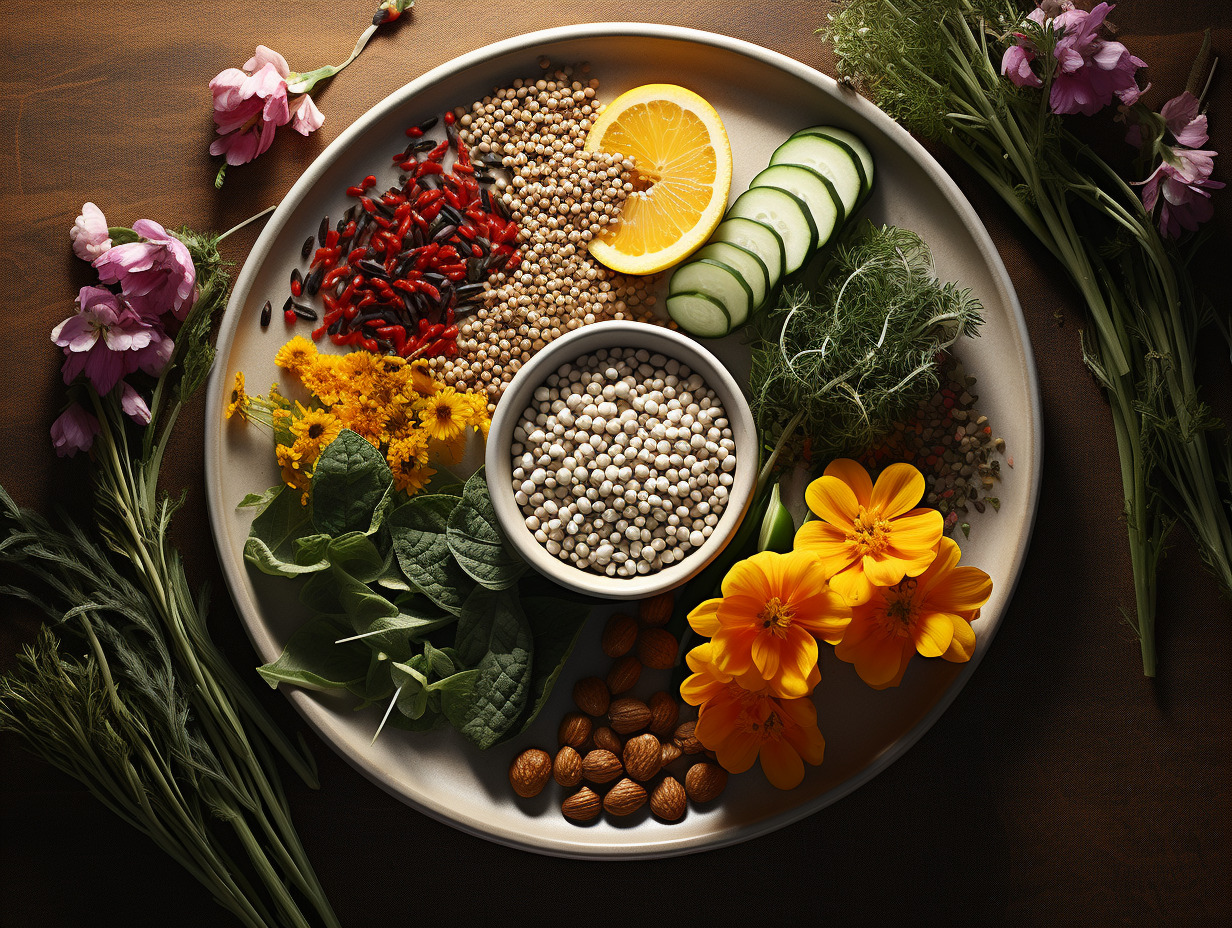
Practical tips for complete and varied vegetarian meals
To create a typical vegetarian menu for a day, structure your meals around whole grains, legumes, vegetables and fruits, and, if desired, superfoods. A breakfast could consist of oatmeal accompanied by fresh fruits and chia seeds, while a balanced lunch might combine quinoa, lentils, and an abundance of seasonal vegetables. Consider incorporating meat substitutes like tofu or tempeh, which can be marinated and grilled for added flavor.
The daily portions for a person weighing 55 kg who engages in normal physical activity should include several elements distributed wisely: 5 portions of fruits and vegetables, 3 portions of grains, 2 portions of legumes, 1 portion of dairy or plant-based alternatives, 1/2 portion of nuts, not forgetting oils and plant fats for essential fatty acid intake.
Diversity is the key to a rich and satisfying vegetarian diet. Vary the types of grains and legumes to avoid monotony and to benefit from a wide range of nutrients. For dinner, a chickpea curry with brown rice and a variety of vegetables is an example of a dish that is both nutritious and delicious. Incorporate fruits and vegetables of all colors to take advantage of their antioxidants and vitamins.
When it comes to snacks, prioritize nourishing options that support energy throughout the day. Nut and dried fruit mixes, plant-based yogurts enriched with probiotics, or smoothies made with almond milk and berries are relevant choices. A balanced vegetarian diet relies on variety, creativity, and attention to nutritional needs. Vegetarian recipe ideas abound and can be tailored to your personal tastes, allowing you to explore cuisine that is both delicious and nutritious.