
When trying to differentiate between two riders before a purchase or simply to check if our machine lives up to its promises on paper, manufacturer specifications are not enough. The announced data (power, torque, top speed) are measured under ideal conditions, rarely representative of real-world usage. Online motorcycle performance comparison tools compile independent measurements, track times, and field feedback to provide a more reliable reading.
Real Times vs. Manufacturer Specs: What Comparators Really Measure
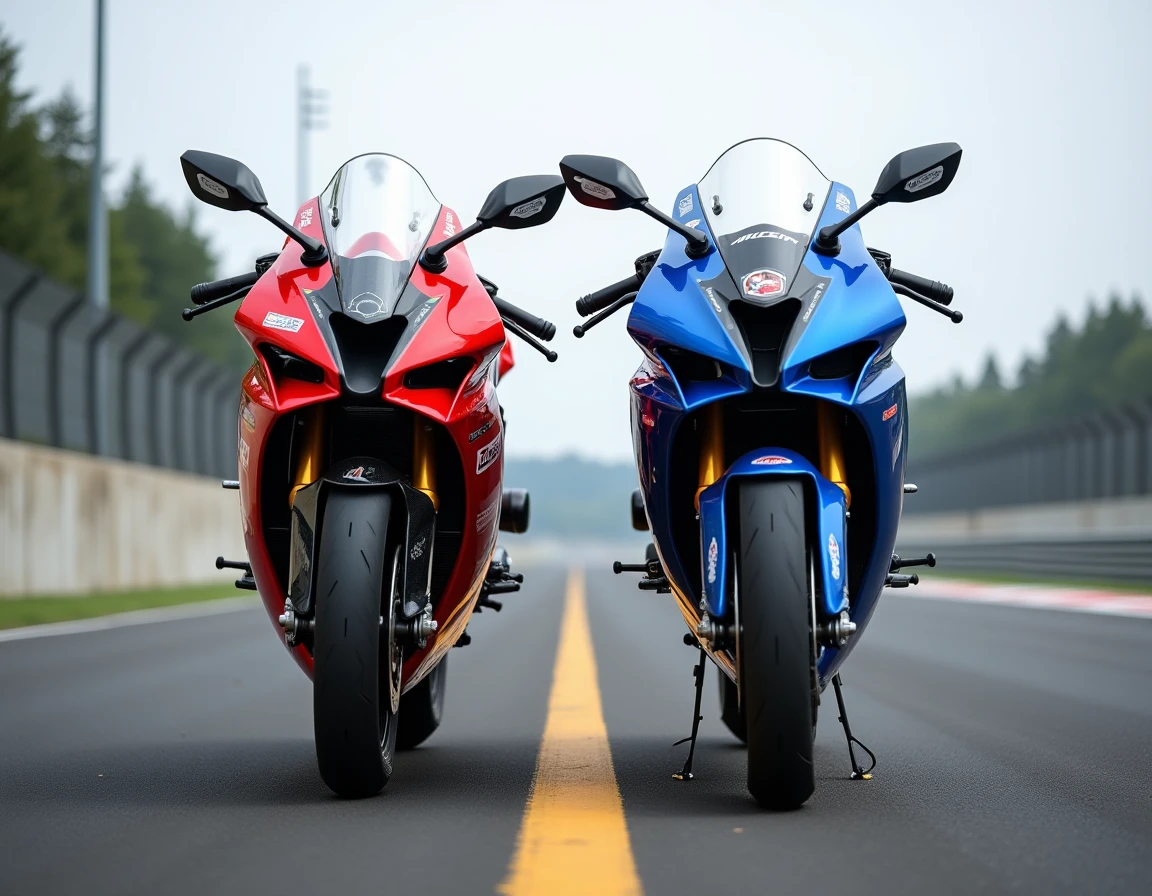
Most motorcyclists compare bikes by their horsepower. In practice, two machines showing the same power can offer very different sensations and times in the 0-100 km/h or during acceleration.
Specialized platforms like Motorcycle News (MCN) or Fast Bikes Magazine publish performance databases compiled from independent measurements. They include acceleration times, braking distances, and recovery times measured on the road and on the track, model by model.
The concrete benefit: rather than relying on an optimistic technical sheet, we access measurements taken under conditions close to real usage. A tool like the motorcycle performance comparator on Zeperf allows, for example, to compare two models side by side based on pure timing criteria, relying on data collected from users and testers.
This approach changes the game for those hesitating between two machines in the same category. A mid-displacement naked bike can prove to be more agile in acceleration than a more powerful but heavier roadster, and only real times can verify this.
Motorcycle Comparison Filters: Going Beyond Displacement and Power

The most useful comparators do not limit themselves to aligning figures of power and torque. Advanced filters allow for cross-referencing multiple criteria simultaneously, and this is where the search becomes productive.
Criteria That Change the Outcome of a Comparison
- The power-to-weight ratio remains the most discriminating criterion for assessing a motorcycle’s dynamic performance, much more than raw power
- The consumption measured in tests and compliance with Euro 5/5+ standards now appear on several international comparators like Cycle World or Motorrad, allowing models to be filtered according to their actual efficiency
- The type of transmission (chain, shaft, belt) and seat height directly influence daily use, but are absent from many consumer tools
- Some English-speaking comparators are beginning to include an estimate of maintenance costs over three years and typical insurance premiums, a “performance + total cost of ownership” angle still rare in French
Feedback varies on this point depending on the platforms: not all offer the same level of granularity in the filters. On 1000PS, for example, you can compare up to four models side by side with photos, technical data, and prices. Other tools remain limited to raw technical sheets.
Motorcycle Comparative Tests and User Reviews: Two Complementary Sources
An online comparator provides a numerical basis. But technical data alone says nothing about road behavior, seat comfort on a long trip, or ease of handling for a given size.
This is why comparative tests published by specialized magazines (MCN, Fast Bikes, Motorrad) effectively complement online tools. These tests add a qualitative dimension: road holding in the rain, riding position, brake progression, mechanical noise.
On the user review side, forums and Reddit communities (notably r/motorcycles) remain a valuable source for feedback on medium-term reliability. Discussions often cover points that professional tests rarely address: actual cost of wear parts, quality of the dealer network, recurring problems after several thousand kilometers.
Combining Sources for a Reliable Comparison
In practice, the most effective method is to cross-reference three levels of information:
- The raw data from an online comparator (times, weight, power, torque) to establish a first selection
- The editorial tests from specialized magazines to assess dynamic behavior and comfort
- User feedback from forums to identify recurring defects and the actual cost of ownership
A motorcycle performance comparison is only valuable if sources are cross-referenced. Relying on a single tool, no matter how comprehensive, exposes one to blind spots.
Mobile Applications and Specialized Tools: What’s Worth Checking Out
Beyond websites, several mobile applications allow you to compare motorcycles directly from your phone. The Moto Compare app, available on Google Play, offers a search by technical criteria (power, weight, displacement) and displays the strengths and weaknesses of each model.
For those looking to delve deeper into technical analysis, motorcycle diagnostic tools like the TEXA Navigator or the Autel MaxiSys allow real-time reading of engine data. This is no longer a comparison based on specs but direct measurement on your own machine, useful for verifying that an engine is indeed producing the announced power or for diagnosing a loss of performance.
Engine mapping tools (like Alientech) serve a different purpose: they are used to modify injection and ignition parameters. We move from comparison to preparation, but the boundary between the two worlds is shrinking. More and more enthusiasts use data from online comparators as a reference before optimizing their own motorcycle.
Ultimately, the choice of tool depends on what you are looking for. For a quick comparison before purchase, a web comparator with real times and advanced filters covers most needs. For in-depth technical monitoring of your machine, applications and diagnostic tools take over. The key is to prioritize platforms that rely on independent measurements rather than just manufacturer data.