
A fracture of the pelvis always raises the same question: how long will it take before walking normally again? The answer depends on the type of fracture, the age of the patient, and the care protocol. Bone healing follows an unavoidable biological timeline, but certain mistakes made during recovery can extend the healing time by several weeks, sometimes even months.
Early mobilization after pelvic fracture: what current protocols change
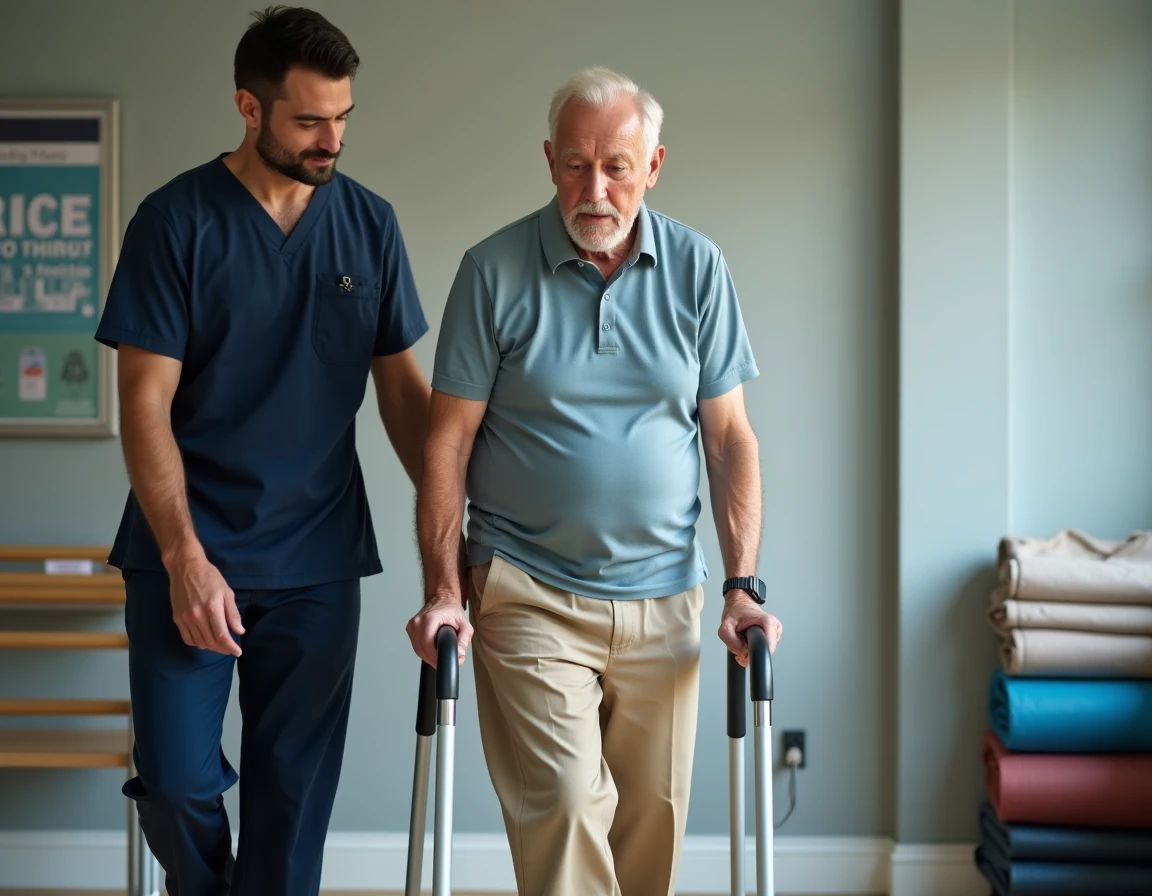
Online content often describes the healing of a pelvic fracture as a long period of bed rest followed by gradual rehabilitation. This view no longer reflects the practice of many European trauma teams.
So-called “fast-track” protocols are becoming widespread for stable pelvic fractures. The principle: mobilization of the patient from the first days (often between the first and third day), under medical and physiotherapeutic supervision, rather than several weeks of strict bed rest. The goal is to limit complications related to prolonged immobilization (thrombosis, muscle wasting, bedsores, cardiorespiratory deconditioning) without increasing the risk of secondary displacement of the fracture.
These protocols rely on daily coordination between the surgeon, physiotherapist, and nursing team, with specific daily goals. This level of organization varies between institutions, which partly explains the differences in recovery times reported by patients. Several resources detail the healing time of a pelvic fracture based on the type of injury and individual factors.
Bone healing of the pelvis: actual timelines depending on the type of fracture
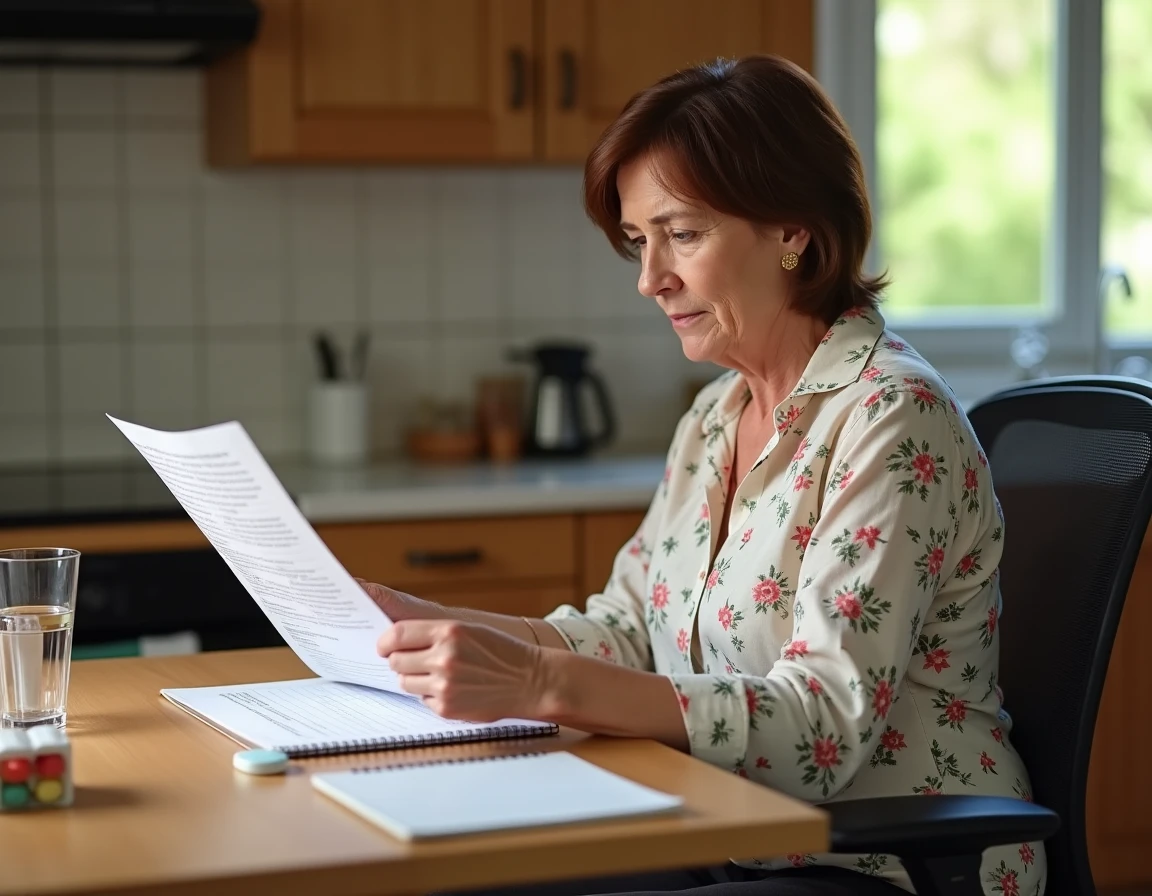
Not all pelvic fractures are the same. The distinction between stable and unstable fractures determines both the treatment and the healing duration.
Stable fracture: relative rest and healing without surgery
Stable fractures (isolated ilio-pubic or ischio-pubic branch, for example) represent the majority of cases, especially in elderly individuals who have suffered a low-energy fall. Healing generally takes eight to twelve weeks. Treatment is based on pain management, gradual weight-bearing, and rehabilitation.
In a young patient without underlying bone pathology, functional recovery may be quicker. In an elderly osteoporotic person, the process is slower, and the risk of general complications (malnutrition, loss of autonomy) weighs as heavily as the fracture itself.
Unstable fracture: surgery and prolonged recovery
Unstable fractures, often caused by high-energy trauma (road accidents, falls from height), affect the posterior pelvic ring or significantly displace bone fragments. Surgical treatment is common, with internal fixation using plates, screws, or external fixators. Healing then exceeds twelve weeks, and returning to full activity may take several months.
Associated injuries (hemorrhages, urinary or neurological damage) further complicate the situation and extend the length of hospitalization.
Common mistakes that delay the healing of a pelvic fracture
Three mistakes frequently occur in the journeys of patients whose recovery drags on beyond expected timelines.
- Excessive immobilization due to fear of pain. Staying in bed too long after a stable fracture accelerates muscle wasting and stiffens the hip joints. Resuming walking with assistance (walker, canes) should occur as soon as the care team allows, even if pain persists at a moderate level.
- Failure to screen for osteoporosis. In patients over 50, a pelvic fracture occurring after minor trauma should trigger a bone density assessment. Without anti-osteoporotic treatment or optimization of vitamin D, the risk of a new major fracture remains high. “Fracture Liaison Service” programs implemented in France and several European countries aim specifically to address this gap.
- Rehabilitation started too late or interrupted. Regular physiotherapy follow-up, initiated during hospitalization and continued on an outpatient basis, is crucial for the quality of recovery. An interruption of several weeks, due to lack of available appointments or discouragement, jeopardizes the mobility gains achieved in the initial phase.
Prevention of recurrent pelvic fractures: a still poorly structured pathway
A pelvic fracture in the elderly is often not an isolated event. It occurs within a context of bone fragility that exposes individuals to recurrent fractures, sometimes within months following the first.
Fracture Liaison Service (FLS) programs established in several countries combine systematic screening for osteoporosis upon hospitalization, prescription of appropriate treatment, and remote follow-up. Available data show a significant reduction in major recurrent fractures among patients included in these programs.
In practice, not all hospitals have this type of program. The patient or their family sometimes needs to insist with the primary care physician to obtain a bone density test and a rheumatological opinion after a pelvic fracture. Treating the underlying bone cause is as important as healing the fracture itself.
The healing duration of a pelvic fracture therefore depends on much more than just bone consolidation. The mobilization protocol, osteoporosis screening, regularity of rehabilitation, and prevention of recurrent fractures form a set where each link influences the final outcome. Neglecting any of these aspects leads to a slower recovery and an increased risk of recurrence.