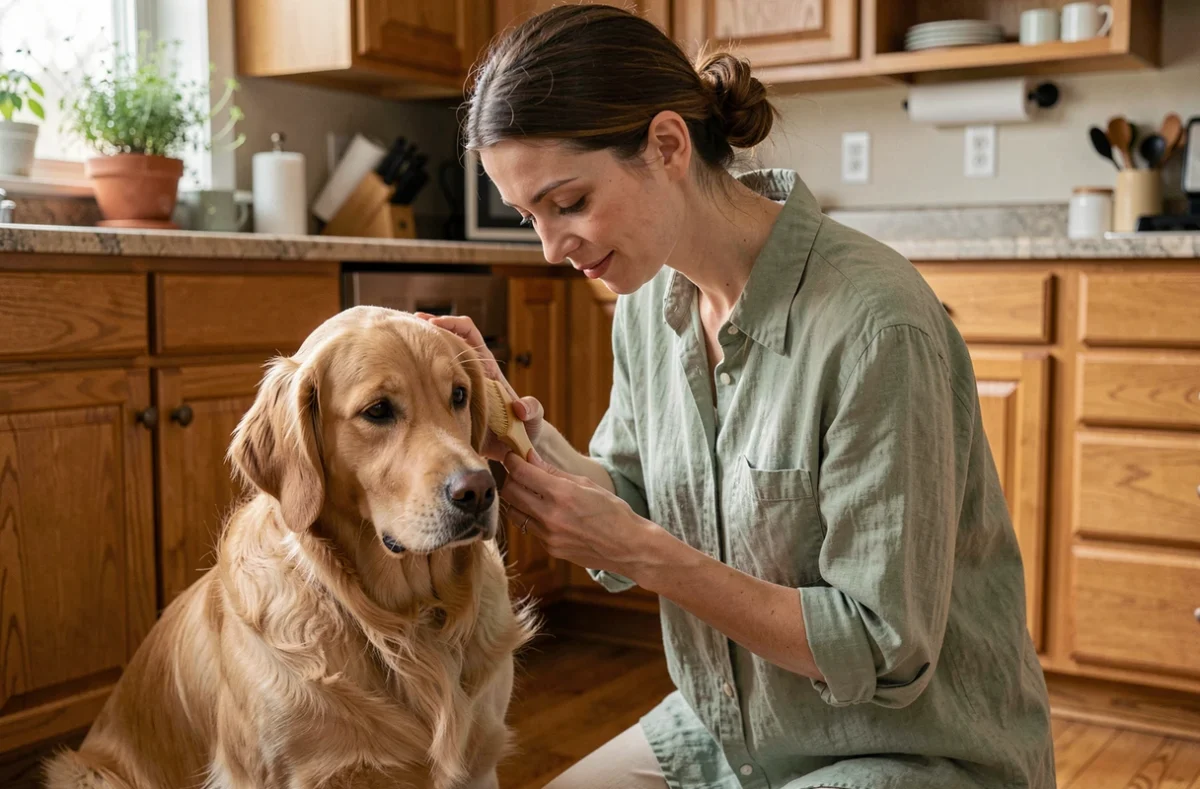
A cat that has been scratching its ear non-stop for three days, a dog that refuses its morning bowl: these everyday signals often go unnoticed until they become a real veterinary problem. Taking care of your pet daily relies less on grand gestures and more on a routine tailored to the species and lifestyle of each companion.
I-CAD file and GPS tracker: two complementary safety tools for dogs and cats
The microchip allows for the identification of an animal, but it does not locate it. If an indoor cat escapes through an open window, the chip will only provide a result when a veterinarian or a shelter scans the animal.
The first reflex, rarely applied, concerns the updating of contact information on the I-CAD file. A move, an unreported change of phone number, and the chances of quickly finding a lost animal decrease. The importance of a GPS tracker in addition to the chip is regularly highlighted by the specialized press.
You can find my tips on Univers Animaux to delve deeper into these precautions, particularly regarding the choice of a tracker suitable for the animal’s size.
In practice, a GPS tracker attached to the collar costs a modest monthly subscription and sends an alert as soon as the animal leaves a defined perimeter. For a cat that has access to the outdoors, it provides a concrete safety net that identification alone cannot replace.
Feeding cats and dogs: adapting kibble to age and activity level
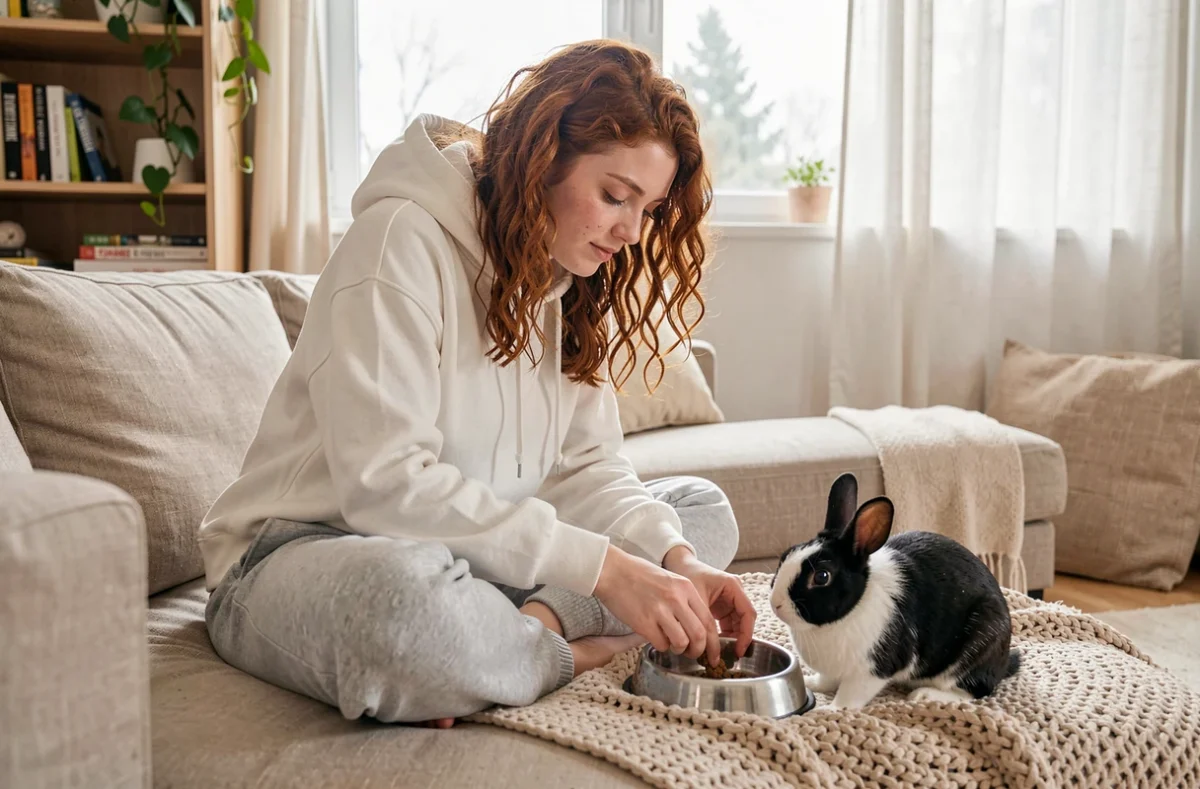
Feeding the same amount of kibble year-round to a working dog and a sedentary dog makes no sense. Energy needs vary according to the season, weight, sterilization, and age of the animal.
Indoor cat and outdoor cat: not the same bowl
The feline population is increasing in France while the canine population is declining. More cats also means more different profiles to feed.
An indoor cat expends much less energy than a cat that hunts and patrols outside. Reducing the portion for an indoor cat by about a quarter compared to the package instructions (often calibrated for an active cat) limits the risk of obesity. Feedback varies on this point depending on the brands, hence the importance of validating the portion with the veterinarian during the annual check-up.
Fresh water: a detail that changes renal health
Cats naturally drink little. A water fountain encourages more regular consumption, which reduces urinary concentration and protects the kidneys. For dogs, refreshing the water bowl at least twice a day is sufficient in most cases.
- Check the composition of the kibble: animal proteins should be at the top of the list, not grains or vegetable by-products.
- Weigh the daily ration rather than filling the bowl by eye, especially after sterilization which alters metabolism.
- Split meals into two servings (morning and evening) for large dogs to limit the risk of stomach torsion.
Preventive care at the veterinarian: vaccines, antiparasitics, and screening
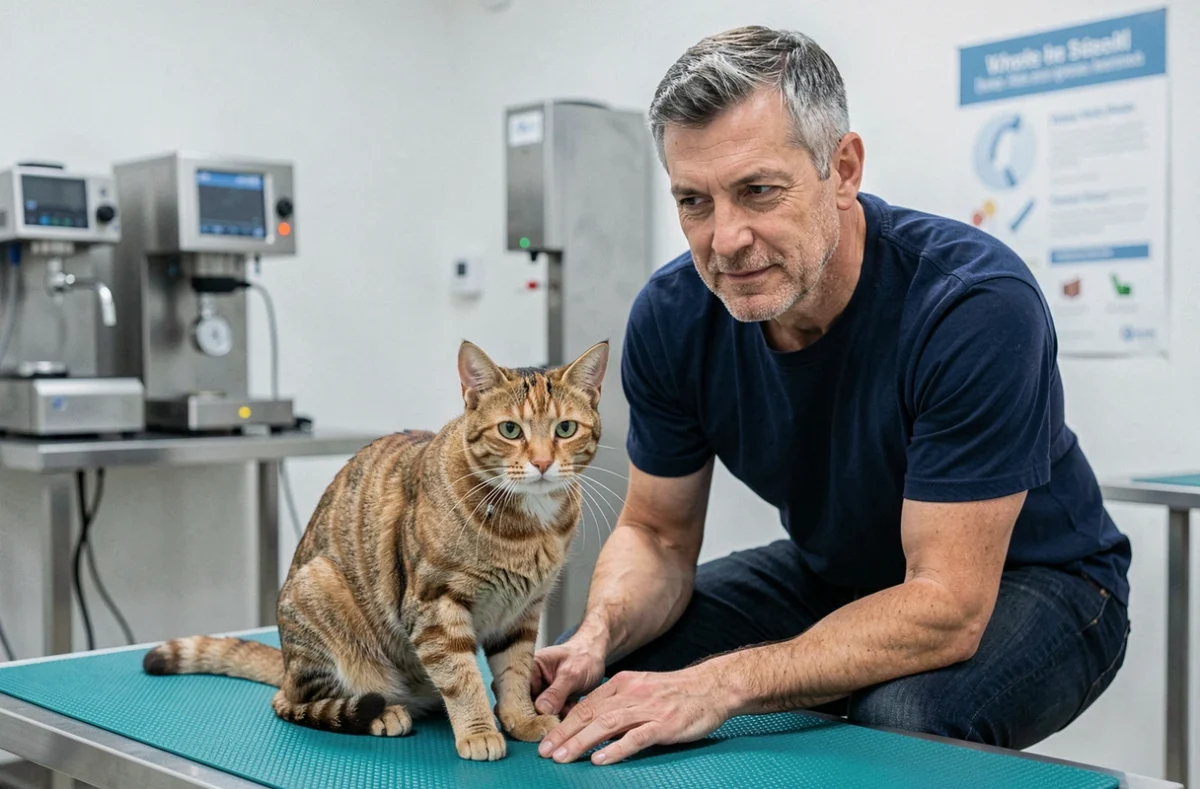
The use of preventive care has seen a slight recent decline. We vaccinate, we treat for fleas, but we sometimes forget that the annual visit also serves for early detection of silent pathologies: renal failure in older cats, early osteoarthritis in medium-sized dogs.
The concrete benefit of an annual check-up goes beyond vaccination reminders. The veterinarian checks the weight, palpates the lymph nodes, listens to the heart, and may recommend a blood test from a certain age. This screening extends the healthy lifespan much more than a late curative treatment.
Antiparasitics: adapting the schedule to the lifestyle
A dog that hikes in the woods every week needs more frequent tick treatment than a city dog that only goes out on the sidewalk. For outdoor cats, combining a quarterly dewormer and a monthly external antiparasitic covers the main risks.
- Inspect the coat and paws after each walk in wooded areas to spot ticks and grass seeds.
- Clean the ears every two weeks for breeds with floppy ears (cocker, cavalier king charles).
- Monitor oral hygiene: a suitable chew stick or weekly brushing reduces tartar and gum infections.
Commitment certificate and adoption: what has changed recently
For those considering welcoming a new companion, the legal framework has evolved. The commitment certificate, mandatory before acquiring a dog or cat, has been redefined by the Council of State. The seven-day reflection period now starts from the issuance of the certificate, not from its signing. A technical instruction from the DGAL clarifies this distinction.
This administrative nuance has a direct impact: a buyer who signs the certificate in a pet store but only receives it two days later sees their reflection period begin only upon receipt. Checking the date on the document protects against hasty commitments.
Taking care of an animal daily hinges on these accumulated details: an up-to-date I-CAD file, a weighed ration, a pest control schedule tailored to the environment, a veterinary check-up that goes beyond vaccinations. It is these repeated habits, week after week, that keep an animal healthy over time.